How to Choose the Right High Pressure Check Valve for Your Application?
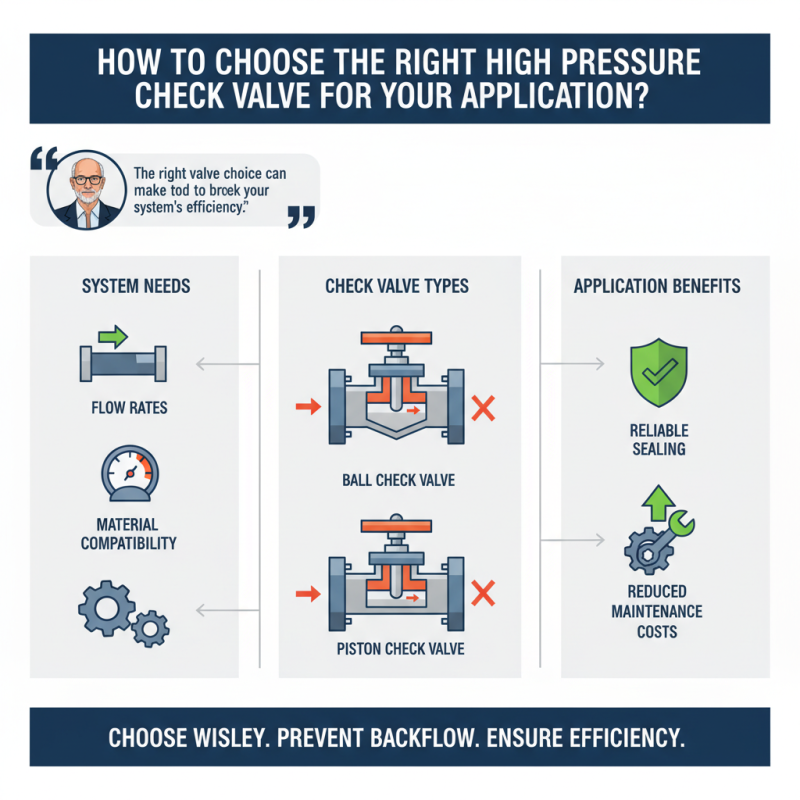
Choosing the right high pressure check valve is crucial for many industries. Dr. James Hargrove, a notable expert in fluid dynamics, emphasizes, "The right valve choice can make or break your system's efficiency." This highlights the importance of understanding your specific application needs.
High pressure check valves are essential in systems that require reliable sealing. They prevent backflow, ensuring system integrity. An inappropriate selection can lead to failures, causing costly downtime. You might think all valves are the same, but nuances matter significantly.
Consider details like flow rates, pressure ratings, and material compatibility. These factors impact performance and longevity. A common mistake is overlooking the specific requirements of your application. Reflect on your criteria carefully. Choosing wisely will enhance system reliability and reduce maintenance costs.
Understanding High Pressure Check Valves and Their Applications
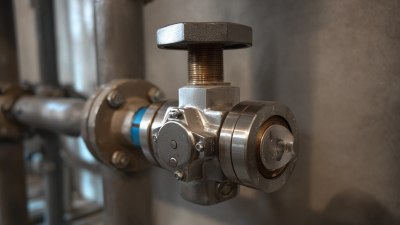
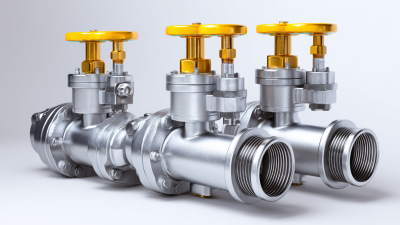
High pressure check valves play a crucial role in many industrial applications. They prevent backflow, ensuring fluid moves in one direction. Understanding the specifications of these valves is vital for efficiency and safety. These valves come in various designs, including swing and lift styles. Each design serves unique purposes, so selecting the right type is essential.
The material used in high pressure check valves is significant. Options range from stainless steel to exotic alloys. Each material has properties suitable for different environments and pressures. For instance, corrosion resistance is vital in chemical applications. However, cost constraints may lead to choosing less durable materials. Such decisions can impact long-term performance and maintenance.
Pressure ratings are another critical factor. Every application has specific pressure requirements. Exceeding these ratings can lead to valve failure. Evaluating the operating conditions will help choose correctly. Unexpected wear and tear often stem from poor valve selections. Assessing the entire system can reveal hidden issues. This reflection can guide better future choices.
Key Factors to Consider When Selecting a High Pressure Check Valve
When selecting a high-pressure check valve, several factors come into play. The working pressure is crucial. Many applications operate between 1500 to 2000 psi. Choosing a valve that can withstand these pressures ensures durability and reliability. The material of the valve also matters. Typical materials include stainless steel and brass. They can significantly affect the valve's performance and corrosion resistance.
Flow rate is another important consideration. Too high a flow rate can cause vibration or cavitation. According to industry reports, optimizing flow rates can enhance system efficiency by up to 30%. Another factor to evaluate is the installation space. Some systems have tight spaces, requiring compact valve designs. A non-fitted valve can lead to inefficiencies.
In real-world applications, the choice isn’t always clear-cut. Sometimes, engineers face trade-offs. A higher-pressure valve might be bulkier and heavier. Moreover, factors like maintenance frequency and the cost of replacement can complicate decisions. Regular maintenance is a must for optimal performance. An overlooked valve can lead to leaks and system failures.
Materials and Specifications for High Pressure Check Valves
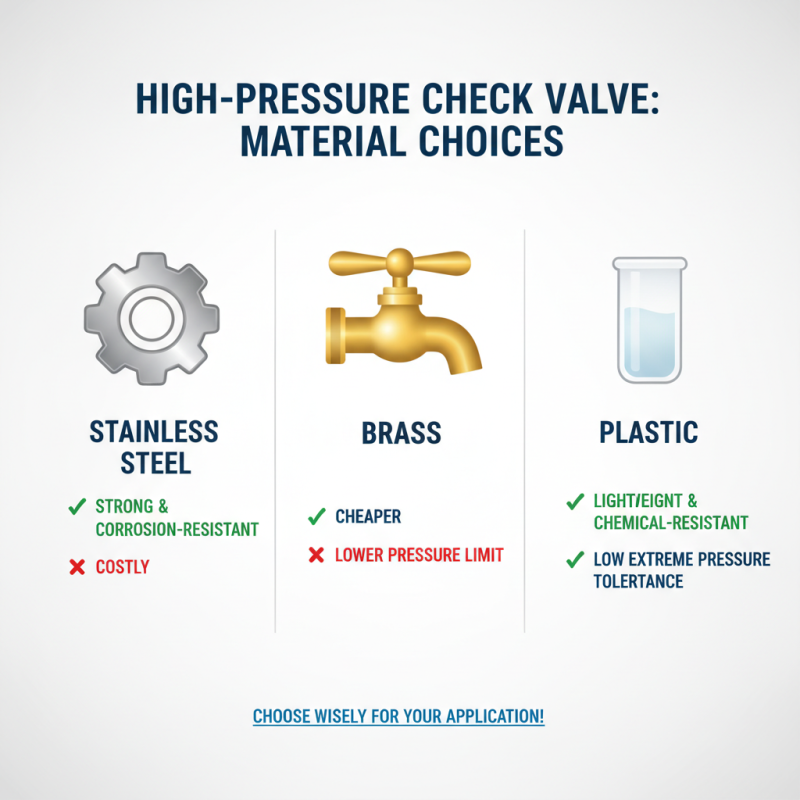
When selecting a high pressure check valve, material choice is crucial. Common materials include stainless steel, brass, and plastic. Each material has advantages and disadvantages. Stainless steel is strong and resistant to corrosion. However, it can be costly. Brass is often cheaper, but might not withstand very high pressures. Plastic is lightweight and resistant to certain chemicals. Yet, it may not handle extreme pressures well.
Understanding specifications is equally important. Pressure ratings indicate how much pressure the valve can withstand. Flow rates will determine how efficiently the valve operates in your system. Connections must match your piping specifications. Misalignment can lead to leaks. Pay attention to temperature limits as well. Some materials degrade at high temperatures, affecting performance.
Sometimes, users overlook small details in specifications. They might assume one size fits all. But even minor differences can cause failures. Always consult technical documentation. If unsure, seek expert advice. Ignoring these factors can lead to costly mistakes. Thus, taking the time to evaluate both materials and specifications is essential for a successful application.
Common Performance Metrics of High Pressure Check Valves
When selecting a high pressure check valve, it's crucial to consider specific performance metrics. These metrics include cracking pressure, flow rate, and leak rate. Cracking pressure refers to the minimum pressure differential required for the valve to open. Different applications may necessitate varying cracking pressures, impacting overall system efficiency.
Flow rate is another key metric. It measures how much fluid can pass through the valve within a defined time. Inadequate flow rates can reduce system performance. Additionally, leak rate, the amount of fluid that escapes through the closed valve, should be minimal. A high leak rate compromises system integrity, leading to potential failures or losses.
Assessing these metrics thoroughly can be challenging. Not all valves will meet the specific needs of your system. You may find that a valve works wonderfully in theory but fails in practice. Consider consulting with experienced engineers to align metrics with application needs. This can lead to better decision-making and improved performance in the long run.
How to Choose the Right High Pressure Check Valve for Your Application?
| Dimension |
Value |
Unit |
Description |
| Max Operating Pressure |
5000 |
psi |
Maximum pressure the valve can withstand |
| Temperature Range |
-40 to 350 |
°F |
Operating temperature range |
| Flow Coefficient (Cv) |
2.5 |
|
Measure of flow capacity |
| Material |
Stainless Steel |
|
Material used in valve construction |
| Connection Type |
Threaded |
|
Type of connection for installation |
| Weight |
8 |
lbs |
Weight of the valve |