How to Choose the Right High Pressure Valve for Your Needs?
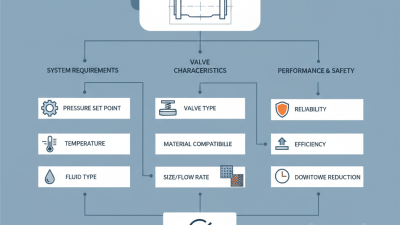
Choosing the right high pressure valve is crucial for various industrial applications. These valves control the flow of fluids under high pressure, ensuring safety and efficiency. However, the selection process can be daunting. Many people overlook important factors, leading to costly mistakes.
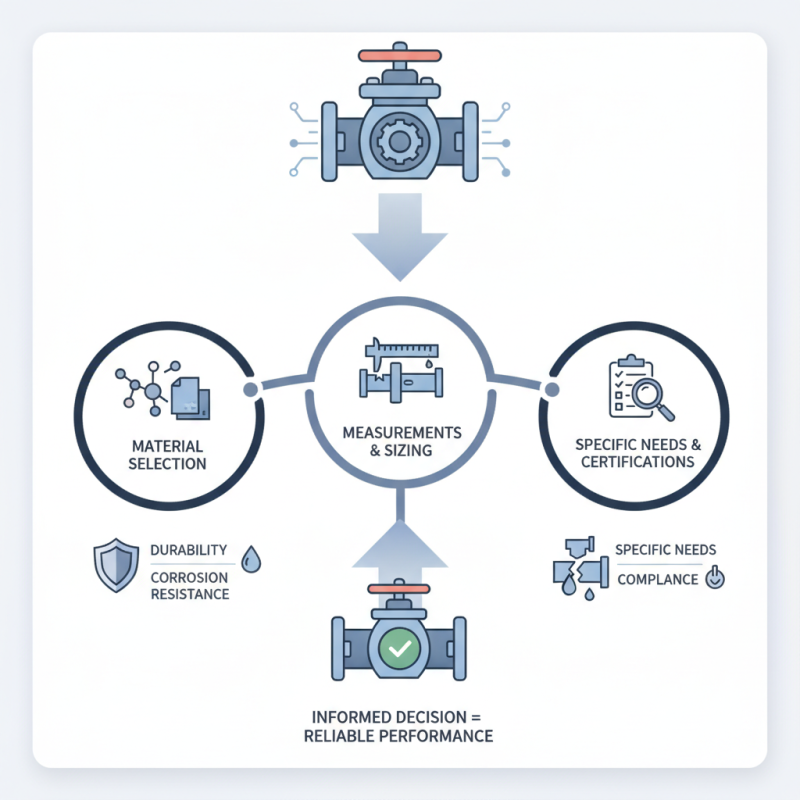
When selecting a high pressure valve, consider the material. A valve made from the wrong material can fail under pressure. Look for durability and corrosion resistance. Measurements are vital too; incorrect sizing can lead to leaks or failures. It's often an area where users stumble.
Understanding your specific needs is essential. Not all high pressure valves are created equal. Some may lack proper certifications. Without thorough research, you might end up with a valve that doesn't meet your requirements. Take the time to evaluate options carefully. This step can save significant trouble later on. Make informed decisions, and your high pressure valve will serve you well.
Understanding High Pressure Valves: Types and Applications
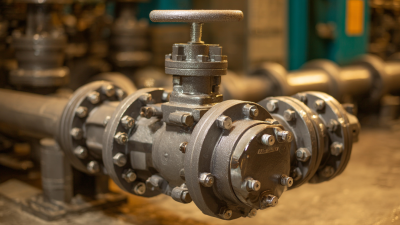
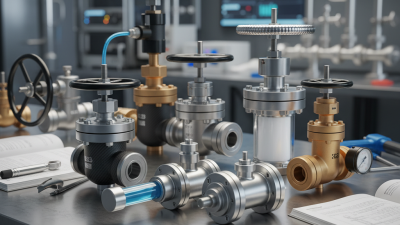
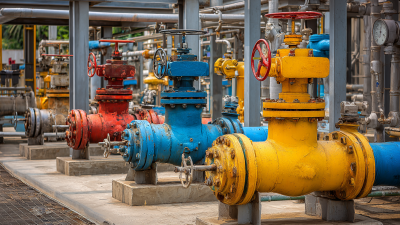
High pressure valves come in various types, each designed for specific applications. Ball valves, for instance, are known for their durability and quick shut-off capabilities. They work well in systems that require a precise flow control. On the other hand, gate valves provide minimal pressure drop and are ideal for on/off services. This makes them suitable for pipelines carrying gas or liquids.
Another common type is the globe valve, which excels in throttling applications. Their design allows for better control over flow rates, but they may create higher pressure drops. Each valve type has its pros and cons. Choosing the right one requires understanding your unique needs. Performance is crucial, but other factors, like space and budget, can complicate the decision.
In some cases, people rush to select a valve. This can lead to inefficiencies. A mismatched valve may not handle the pressure, risking safety and costly downtime. Regular reflection on these choices is vital. Evaluate your requirements carefully before making a final decision. This thoughtful approach will help you avoid potential pitfalls.
Comparison of High Pressure Valve Types
Identifying Key Specifications for Your Pressure Valve Needs
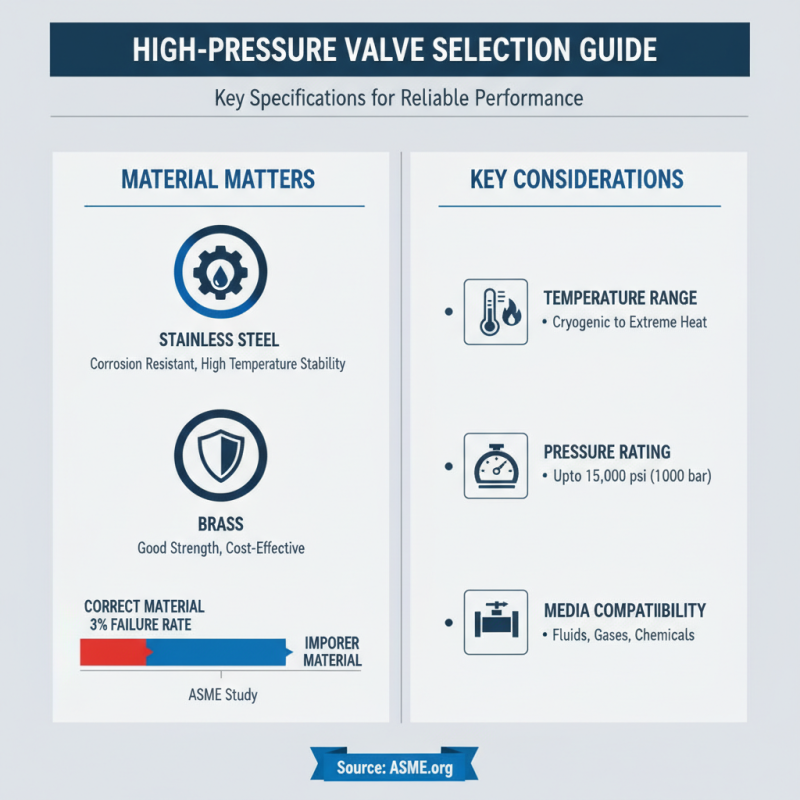
When selecting a high-pressure valve, key specifications are crucial. The valve's material is a primary concern. Common materials include stainless steel and brass. Factors like corrosion resistance and temperature stability must be considered. For instance, a study by the American Society of Mechanical Engineers noted that improper material choices can lead to a 30% increase in valve failure rates.
Pressure ratings are another vital aspect. Valves are designed for specific pressure ranges. For example, some operate safely at 5000 psi, while others handle up to 10,000 psi. It matters greatly for system compatibility. A mismatch can result in leaks or catastrophic failures. The industry reports indicate that 25% of failures are due to pressure miscalculations.
Actuation type plays a role too. Manual, pneumatic, and electric options each have unique advantages and drawbacks. Pneumatic valves, for example, can react quickly but may need more maintenance. Electric ones offer precise control but might be less reliable in harsh environments. Understanding these nuances is essential for effective operation. The right choice can enhance performance significantly, yet many overlook these details in their selection process.
Assessing Material Compatibility for High Pressure Environments
Material compatibility is crucial when selecting high pressure valves. High-pressure environments can lead to severe consequences if the materials fail. According to a report by the American Society of Mechanical Engineers, nearly 30% of valve failures result from inappropriate material selection. Evaluating materials for their resistance to corrosion, fatigue, and wear is essential.
Stainless steel is commonly used due to its excellent strength and corrosion resistance. However, it may not always be suitable for highly acidic environments. In such cases, specialized alloys like Hastelloy or Inconel become necessary. The wrong choice could lead to leaks or catastrophic failures. Not all materials can withstand high temperature and pressure conditions simultaneously.
Testing and validation are often overlooked. Some companies still underestimate the importance of field testing. In controlled environments, a material may seem adequate. However, real-world conditions can expose weaknesses. The consequences of failure can be costly, both in terms of safety and finances. Therefore, comprehensive testing should not be skipped. Balancing cost with performance can be challenging. Prioritizing long-term reliability over short-term savings is essential.
Evaluating Performance Metrics: Flow Rate and Pressure Drop
When selecting a high-pressure valve, evaluating performance metrics is crucial. Two key metrics are flow rate and pressure drop. The flow rate measures how much fluid passes through the valve. A higher flow rate usually means better performance. However, it’s important to balance this with the size of the valve. Larger valves can increase flow, but they may also lead to higher costs.
Pressure drop refers to the loss of pressure that occurs when fluid flows through the valve. High-pressure drops can hinder system efficiency. A valve that has a high flow rate but also a significant pressure drop may not be ideal. It’s essential to find a valve that maintains pressure while allowing adequate flow. Some valves may meet flow requirements but could result in unexpected pressure losses. This discrepancy can lead to system failures or inefficiencies.
Understanding your system’s requirements is vital. Reviewing specifications carefully can help avoid mistakes. A valve that seems perfect on paper may fall short in actual use. Be open to testing different options. You may discover that the best choice isn’t always the most obvious one. Balancing flow rate and pressure drop can enhance overall performance and longevity.
How to Choose the Right High Pressure Valve for Your Needs? - Evaluating Performance Metrics: Flow Rate and Pressure Drop
| Valve Size (inch) |
Flow Rate (GPM) |
Pressure Drop (psi) |
Material |
Application |
| 1 |
50 |
5 |
Stainless Steel |
Hydraulic Systems |
| 1.5 |
100 |
8 |
Brass |
Water Supply |
| 2 |
200 |
10 |
Carbon Steel |
Oil and Gas |
| 3 |
400 |
12 |
Alloy |
Chemical Processing |
| 4 |
600 |
15 |
PVC |
Irrigation |
Considering Maintenance and Lifecycle Costs of Valve Options
When selecting a high-pressure valve, maintenance and lifecycle costs are crucial factors. According to a recent industry report, improper maintenance can increase lifetime costs by up to 30%. Regular checks and servicing reduce failures and extend operational life. Neglecting this aspect could lead to unexpected shutdowns, causing significant financial losses.
The initial purchase price of a valve is often misleading. A cheaper valve may require more maintenance. In contrast, investing in a durable option often leads to lower lifecycle costs. Research shows that high-quality valves can outperform cheaper alternatives, resulting in an average saving of 20% over ten years. This savings stems from fewer repairs and lower energy consumption.
Certain valve types may require specialized fittings or maintenance routines, adding to the overall cost. Understanding the specific needs of your operation is essential. For example, some valves may not tolerate certain conditions, leading to premature wear. Recognizing these details upfront can help avoid costly mistakes later.