What is a Miniature Circuit Breaker and How Does It Work?
The Miniature Circuit Breaker (MCB) plays a critical role in electrical safety. According to industry reports, the global MCB market is expected to reach $6.2 billion by 2026. This growth indicates a rising demand for devices that enhance safety in homes and industries alike. MCBs protect electrical circuits by automatically cutting off the power during an overload or short circuit.
Understanding how an MCB operates is essential. It combines thermal and magnetic mechanisms to ensure reliable protection. When an overload occurs, the thermal component responds slowly. In contrast, the magnetic mechanism acts almost instantly during a short circuit. This dual-action approach makes MCBs effective and reliable.
Despite advancements, misconceptions about MCBs persist. Some users may underestimate the importance of regular testing and maintenance. Failing to do so can lead to electrical hazards. Ultimately, while the Miniature Circuit Breaker is a vital safety device, awareness of its proper use remains crucial. These factors contribute to its growing significance in modern electrical systems.
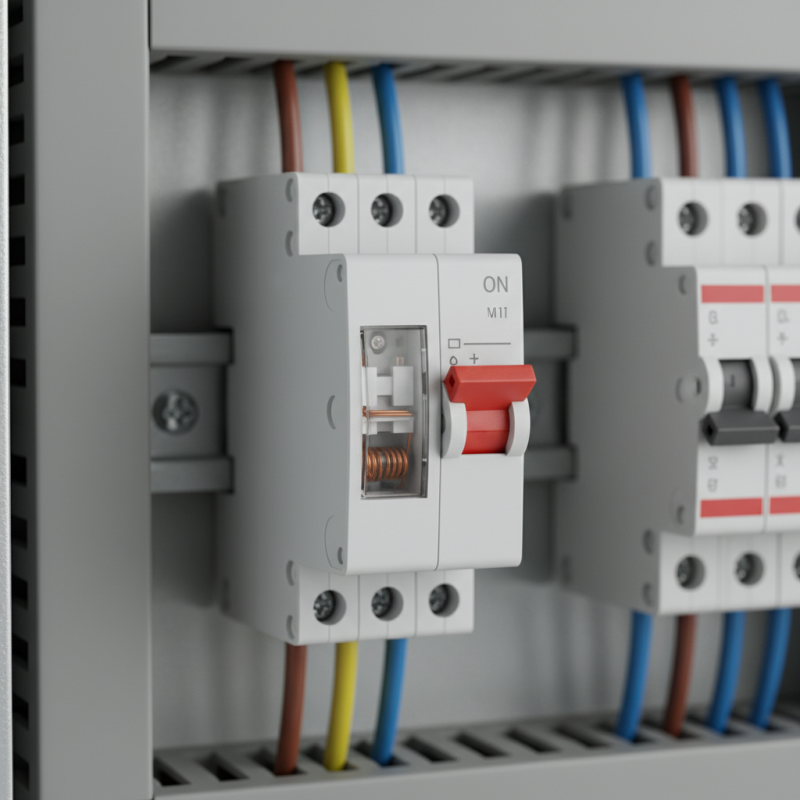
What is a Miniature Circuit Breaker: Definition and Purpose
A miniature circuit breaker (MCB) is a crucial component in electrical systems. It automatically cuts off the electric supply when it detects overloads or short circuits. This device helps prevent electrical fires and equipment damage.
The primary purpose of an MCB is safety. It acts quickly, often within milliseconds, to stop the flow of electricity. Unlike fuses, MCBs can be reset after they trip. This adds convenience and efficiency for users. However, some people overlook their importance. They often forget to check or test MCBs regularly. This can lead to unexpected electrical problems.
Understanding how an MCB works is essential for effective use. When the current exceeds a certain level, internal mechanisms within the MCB react. They can either bend a metal strip or trip a switch. The design sounds simple, but its effectiveness relies on proper installation and maintenance. Users might assume everything is fine until it fails. Regular inspections can prevent many issues.
Miniature Circuit Breaker (MCB) Data Representation
This chart illustrates the number of installations of different current rating Miniature Circuit Breakers (MCBs). The ratings range from 1A to 32A, showing various popularity levels across these ratings.
The Components of a Miniature Circuit Breaker and Their Functions
Miniature Circuit Breakers (MCBs) play a vital role in electrical systems. They protect circuits from overloads and short circuits. Understanding their components is key to appreciating how they function.
The primary components of an MCB include the bimetallic strip, magnetic coil, and reset mechanism. The bimetallic strip bends when heated, indicating overloads. This action cuts off the electrical flow to prevent damage. The magnetic coil acts swiftly during short circuits. It creates a magnetic field that trips the breaker immediately. The reset mechanism allows for easy re-engagement after tripping.
Tips: Regularly checking MCB functionality is crucial. Faulty MCBs can lead to equipment damage. Implement a routine inspection, and replace any MCBs showing signs of wear.
Another component to note is the terminal connectors. They secure the incoming and outgoing wires. Proper connections are necessary for reliable operation. Loose connections can create fire hazards. Keep an eye on these elements to ensure safety.
Always remember that while MCBs are designed for reliability, they can fail. Staying informed about their parts helps in maintaining a safe environment. Periodic evaluations can mitigate risks effectively.
What is a Miniature Circuit Breaker and How Does It Work? - The Components of a Miniature Circuit Breaker and Their Functions
| Component | Function | Description |
| Operating Mechanism | Tripping action | The component that detects overload or short-circuit conditions and initiates the disconnection of the circuit. |
| Trip Unit | Current monitoring | Senses the electrical current and determines if it’s within safe limits, eventually triggering the trip mechanism. |
| Supply Terminals | Connection points | Connects the MCB to the electrical supply, allowing current to flow through the device. |
| Poles | Circuit protection | The number of poles determines how many circuits the MCB can protect simultaneously, typically available in single, double, or triple pole configurations. |
| Reset Button | Manual reset | Allows the user to reset the MCB after it has tripped, restoring power to the circuit. |
How Miniature Circuit Breakers Detect Overcurrents and Short Circuits
Miniature Circuit Breakers (MCBs) are essential in electrical installations. They provide protection against overcurrents and short circuits. An MCB interrupts the electrical flow when it detects a fault, preventing potential hazards. Studies show that up to 30% of residential fires stem from electrical malfunctions. Thus, having an effective MCB is crucial.
MCBs utilize thermal and electromagnetic mechanisms to detect faults. The thermal part engages when a continuous overload occurs, heating and bending a bimetallic strip. This process is gradual. It takes time to activate. In contrast, electromagnetic mechanisms respond rapidly to short circuits. They utilize an electromagnet that responds to sudden spikes in current. When the overload reaches a certain threshold, the circuit is broken almost instantaneously.
Despite their effectiveness, MCBs are not foolproof. They may not react to minor overloads. Sometimes, these small overloads can cause damage over time. Additionally, incorrect sizing of MCBs can lead to unnecessary tripping. This miscalculation could hinder essential operations. Regular maintenance and testing are vital. They ensure MCBs function as intended and provide optimal protection for electrical systems.
Understanding the Ratings and Standards for Miniature Circuit Breakers
Miniature Circuit Breakers (MCBs) are essential devices in electrical systems. They protect circuits from overloads and short circuits. Understanding the ratings and standards for MCBs is crucial for optimal performance. MCBs are rated based on current capacity, typically ranging from 0.5A to 125A. This rating determines their ability to handle electrical loads without tripping unnecessarily. The International Electrotechnical Commission (IEC) sets standards, like IEC 60898, which outline performance and testing requirements.
When selecting an MCB, consider the type of load. Different applications require different breaking capacities. For example, residential circuits may require MCBs with lower ratings, while industrial settings might need higher capacities. Always check compatibility with local regulations too. It’s also essential to factor in environmental conditions. Extreme temperatures can affect MCB performance.
Tips: Regularly inspect MCBs for wear and tear. Signs of damage can indicate a potential failure. Pay attention to tripping patterns, as frequent tripping can signal underlying issues. It’s wise to consult an electrician when unsure. They can help assess whether the current MCB ratings meet system demands. Investing in quality MCBs might save you costly repairs down the line.
Applications and Benefits of Miniature Circuit Breakers in Electrical Systems
Miniature Circuit Breakers (MCBs) play a crucial role in modern electrical systems. They protect against overcurrents and short circuits. The benefits of MCBs are numerous, making them ideal for both residential and commercial settings. MCBs can quickly detect electrical faults and disconnect the circuit. This rapid response minimizes the risk of fire or equipment damage.
In homes, MCBs ensure safe operation of electrical appliances. They prevent overheating and keep power surges in check. Industrial applications utilize MCBs to protect heavy machinery. Without them, faults could lead to costly downtime. They are compact, making it easy to integrate them into various systems.
Tips: Regular maintenance is key. Check your MCBs periodically for any wear or damage. Also, ensure they are rated correctly for your load requirements. An underrated MCB may trip frequently, while an overrated one may not provide adequate protection. When in doubt, consult an electrician for expert advice.
MCBs enhance overall safety. Yet, users sometimes overlook their importance during installation. Proper labeling and organization can prevent confusion later. Keeping records of MCB ratings and locations ensures easier access. In an emergency, every second counts.