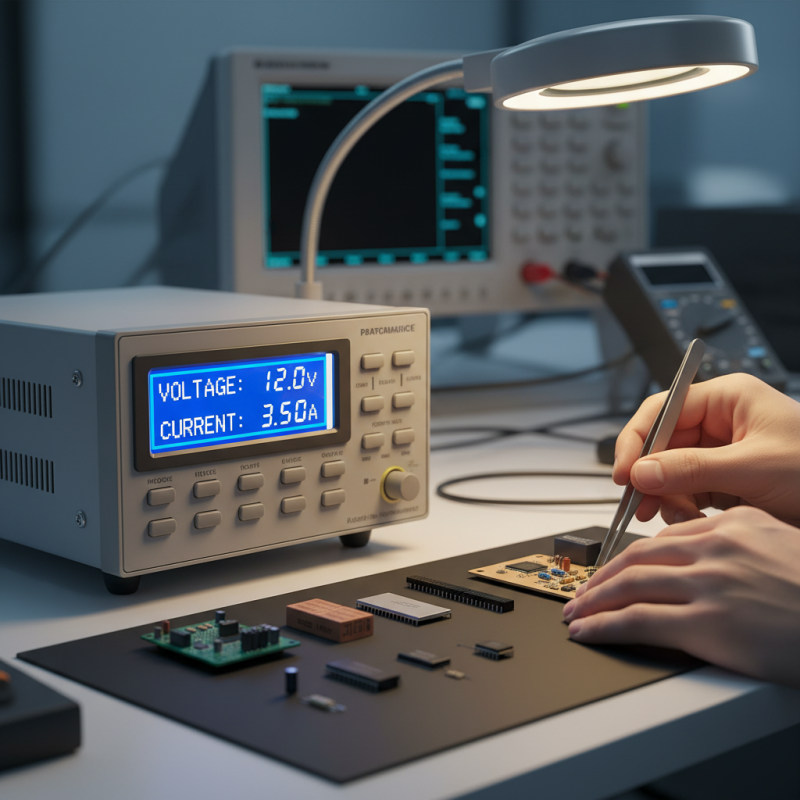
Top Tips for Choosing a Regulated Power Supply?
Choosing a Regulated Power Supply requires careful consideration. It's essential to understand the specific needs of your application. A regulated power supply ensures stable power output, which is crucial for sensitive electronic devices. The quality of power affects performance and longevity.
When selecting a regulated power supply, look for key features. Pay attention to the voltage and current ratings. These specifications should match your system requirements. Also, consider the efficiency of the power supply. Higher efficiency means less energy waste, which can save costs in the long run.
Don't overlook the importance of reliability. A cheap regulated power supply might seem appealing, but it can lead to problems. Reliability affects not only performance but also safety. Reflect on your choices. Sometimes, investing a bit more upfront can prevent larger issues later on. Make informed decisions for a successful outcome.
Understanding the Importance of a Regulated Power Supply
A regulated power supply plays a crucial role in many electronic devices. It delivers a steady voltage level, which is essential for optimal device performance. Without a stable supply, devices may malfunction or become damaged. This makes understanding regulated power supplies vital for anyone involved in electronics.
Many factors contribute to the effectiveness of a regulated power supply. For instance, the load it serves can vary. If the supply isn't designed for that load, problems can arise. Additionally, the quality of components is significant. Poor quality can lead to fluctuations in output. This can result in unexpected behavior from connected devices, creating more headaches.
Sometimes, people overlook the specs listed on the power supply. They may focus only on the wattage or current. This can be a mistake. It is just as important to consider voltage regulation and ripple specifications. Ignoring these can lead to stress later when devices fail under unexpected conditions. A regulated power supply should not just be selected based on price but also evaluated on technical specifications.
Power Supply Type Comparisons
This chart shows the efficiency percentage of different types of regulated power supplies. Linear power supplies typically have lower efficiency compared to switching and programmable types, while unregulated supplies offer the least efficiency. Understanding these differences can help in selecting the appropriate power supply for your needs.
Key Factors to Consider When Selecting a Regulated Power Supply
When selecting a regulated power supply, several key factors come into play. Voltage output is critical. Ensure the supply can deliver the voltage required for your application. A mismatch can lead to device failure or inconsistent performance. Checking the current capacity is equally important. Too little current can cause your system to malfunction. Aim for a power supply that exceeds your maximum expected draw.
Another factor is efficiency. A highly efficient power supply wastes less energy and generates less heat. This can lead to a longer lifespan for your equipment. It's also wise to evaluate the ripples and noise specifications. Excessive ripple can result in unwanted behavior in your devices. Always look for specifications that clearly indicate low ripple and noise levels.
Finally, consider the operational environment. Some power supplies function poorly in extreme temperatures or high humidity. Be sure to choose a unit designed for your specific conditions. Remember, the best choice often requires careful thought and self-reflection on your requirements. Take the time to evaluate, and don’t rush the decision-making process.
Types of Regulated Power Supplies: Choosing the Right One
When choosing a regulated power supply, understanding the different types is essential. Linear power supplies are great for providing low noise and stable output. They are simple and effective, but not energy-efficient. Switching power supplies, on the other hand, can handle higher loads. They convert power more quickly, making them lighter and more compact. However, they may introduce some noise into the output.
Consider the application carefully. If precision is critical, a linear supply could be the best choice. For portable devices, a switching supply is often the way to go. Sometimes, it's hard to find the perfect fit. A supply that works in one situation may not perform well in another. Moving between different applications can add confusion.
Another aspect is the voltage and current ratings. Ensure the supply meets your specific requirements. However, overestimating your needs can lead to unnecessary costs. Take time to calculate the necessary parameters. Sometimes, less is more. A simpler design may work just as well for your project. Make sure to reflect on these details before making a choice.
Evaluating Specifications and Performance Ratings of Power Supplies
When evaluating power supplies, understanding the specifications is crucial. Look for voltage and current ratings that match your needs. A regulated power supply should provide stable output. Fluctuations in power can damage sensitive electronics. Pay attention to ripple voltage specifications as well. A low ripple ensures cleaner power delivery.
The efficiency rating is another important factor. Higher efficiency means less wasted energy. It can also translate into lower heat output. Check the load range, too. A supply may perform well under specific loads but struggle under others. Be aware of this potential limitation.
Also, consider safety features. Overvoltage and overcurrent protection are essential to safeguard your equipment. It’s easy to overlook these specs in search of lower prices. However, cutting corners here could lead to costly mistakes. Testing the power supply under various loads can also provide insight into its performance. This trial-and-error approach can help you make better choices.
Best Practices for Installation and Maintenance of Regulated Power Supplies
When installing regulated power supplies, starting with precise measurements is crucial. Ensure your installation site has ample space for airflow. Overheating can shorten the lifespan of your supply. Verify that the voltage and current ratings match your needs. Mismatched ratings lead to inefficient operation, which can be detrimental.
Regular maintenance is key to performance. Clean dust from the device frequently. Dust buildup can cause overheating and component failure. Check connections regularly for signs of wear or corrosion. Loose connections may cause voltage drops or intermittent power issues. Keeping a maintenance log can be beneficial.
Awareness of the signs of failure helps too. Strange noises or unusual heat may indicate problems. Be proactive; don’t wait for a complete breakdown. Addressing minor issues early can save time and costs. Regular inspection and maintenance keep your system running smoothly. Stay observant, as neglect can lead to significant issues down the line.